Specificity
Forschungs- und Publikationsprojekt:
ETH Studio Basel / Institut Stadt der Gegenwart
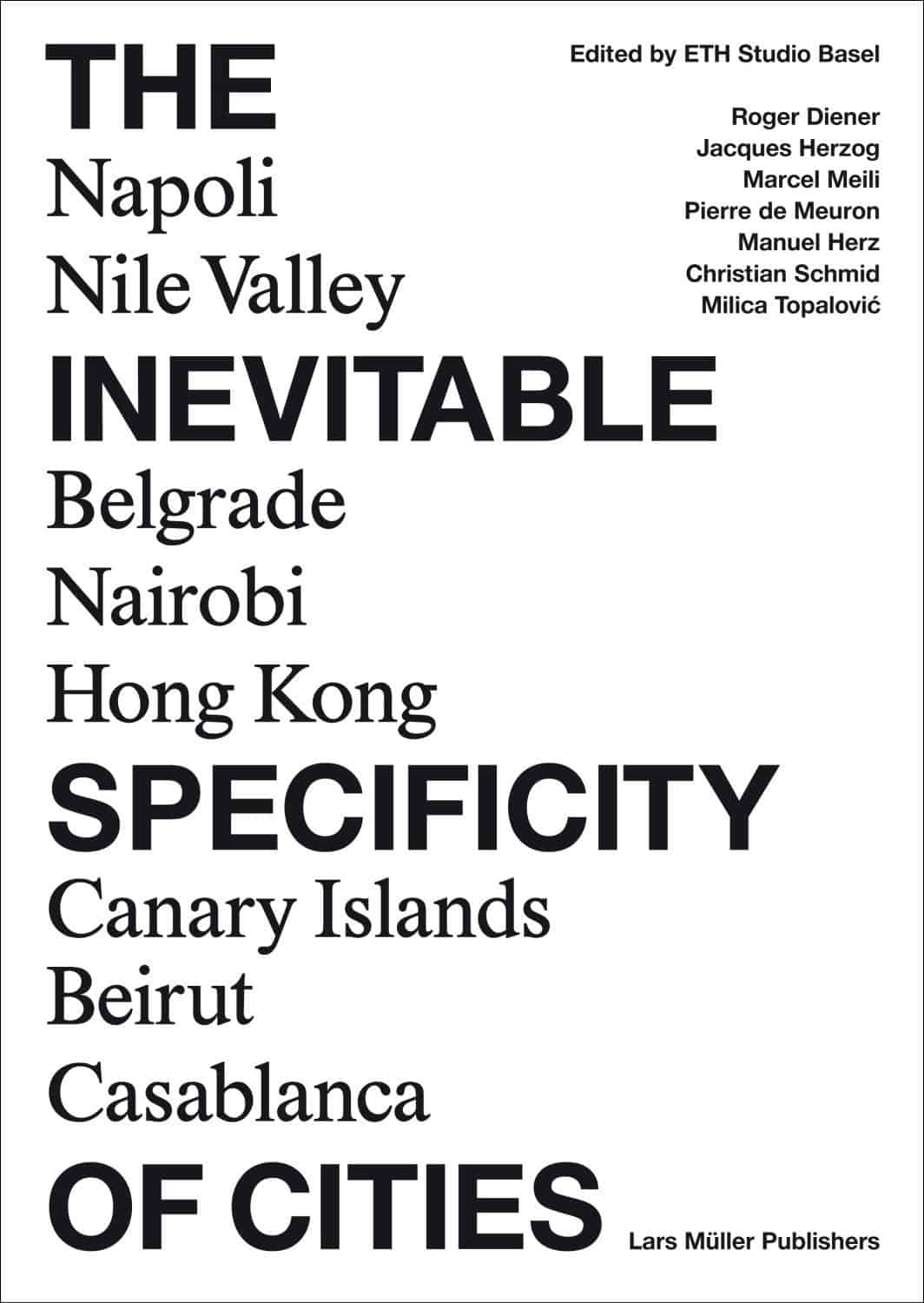
Im Publikationsprojekt Specificity analysiert das ETH Studio Basel / Institut Stadt der Gegenwart aktuelle Transformationsprozesse der zeitgenössischen Stadt. Laufende und abgeschlossene Forschungsprojekte des Instituts bilden den Ausgangspunkt der Studie, die von der Dozentur Soziologie unterstützt wird.
Die zentrale These der Publikation lautet: Städtische Gebiete tendieren dazu, gerade unter Bedingungen, die sich weltweit angleichen, ihre eigene Spezifizität zu entwickeln, ihre Eigenheiten und Muster, die Unverwechselbarkeit ihrer physischen und sozialen Existenz. Urbanisierung ist immer ein konkreter Prozess, der von besonderen lokalen Bedingungen, Strukturen und Kräfteverhältnissen geprägt ist. Globale Tendenzen finden deshalb an konkreten Orten eine jeweils unterschiedliche Ausprägung. Das Projekt Specificityuntersucht diese Prozesse in folgenden Städten und urbanen Gebieten: Neapel, das Niltal, Hong Kong, Belgrad, Nairobi, Beirut, Casablanca und Kanarische Inseln.
Wahlfach Herbstsemester 2008
Herzog-de-Meuron_How do cities differ?
R. Diener, J. Herzog, P.d. Meuron, M. Meili, C. Schmid: Switzerland: An Urban Portrait Birkhäuser, 2005